News
McDonald Observatory
Northwestern University Joins Giant Magellan Telescope International Consortium
Northwestern researchers will develop and apply cutting-edge artificial intelligence (AI) tools to enhance the Giant Magellan Telescope’s capabilities.
McDonald Observatory
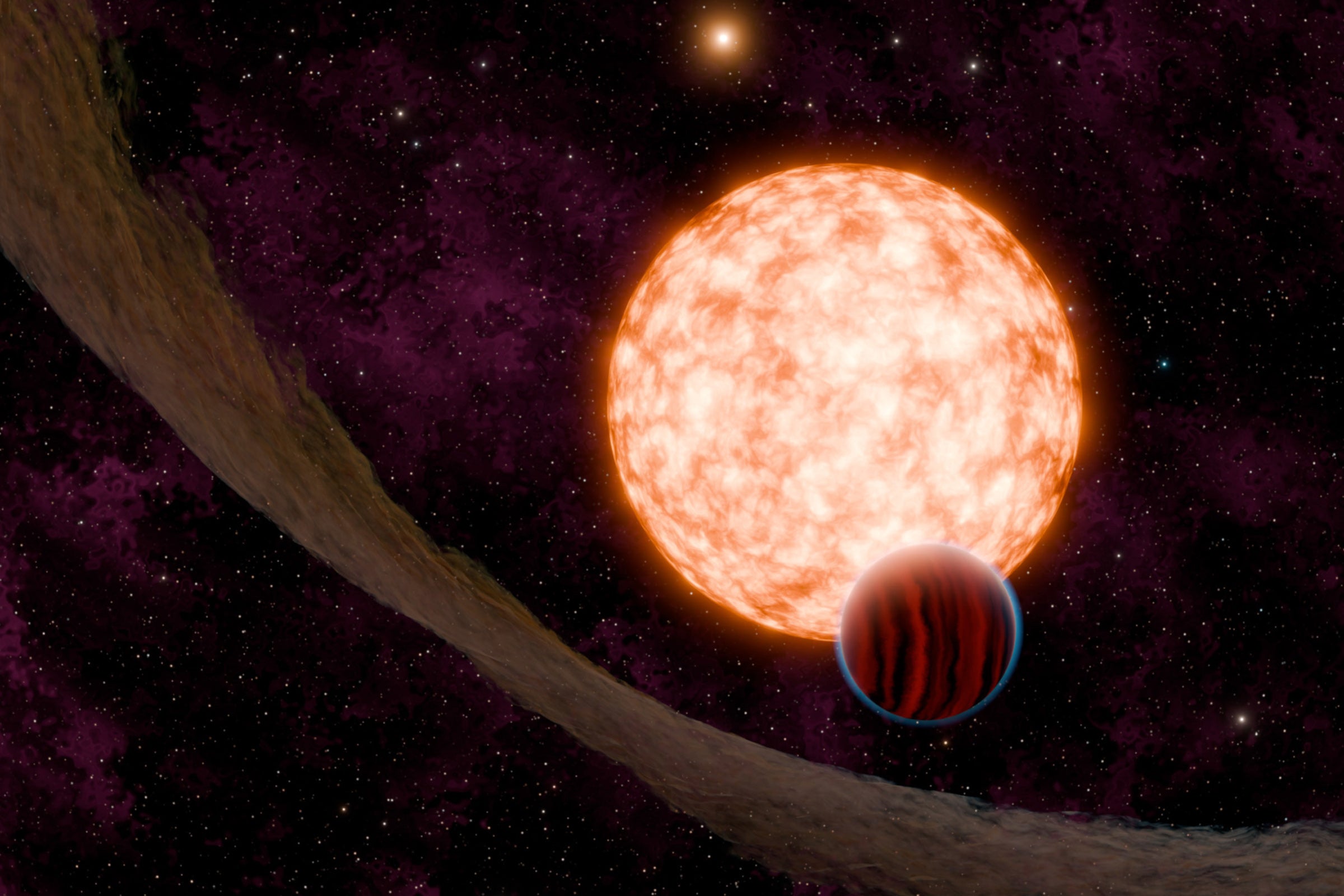
Astronomers Discover Youngest Transiting Planet Ever
The planet, named TIDYE-1b, is roughly the size of Jupiter and is an estimated 3 million years old.
McDonald Observatory
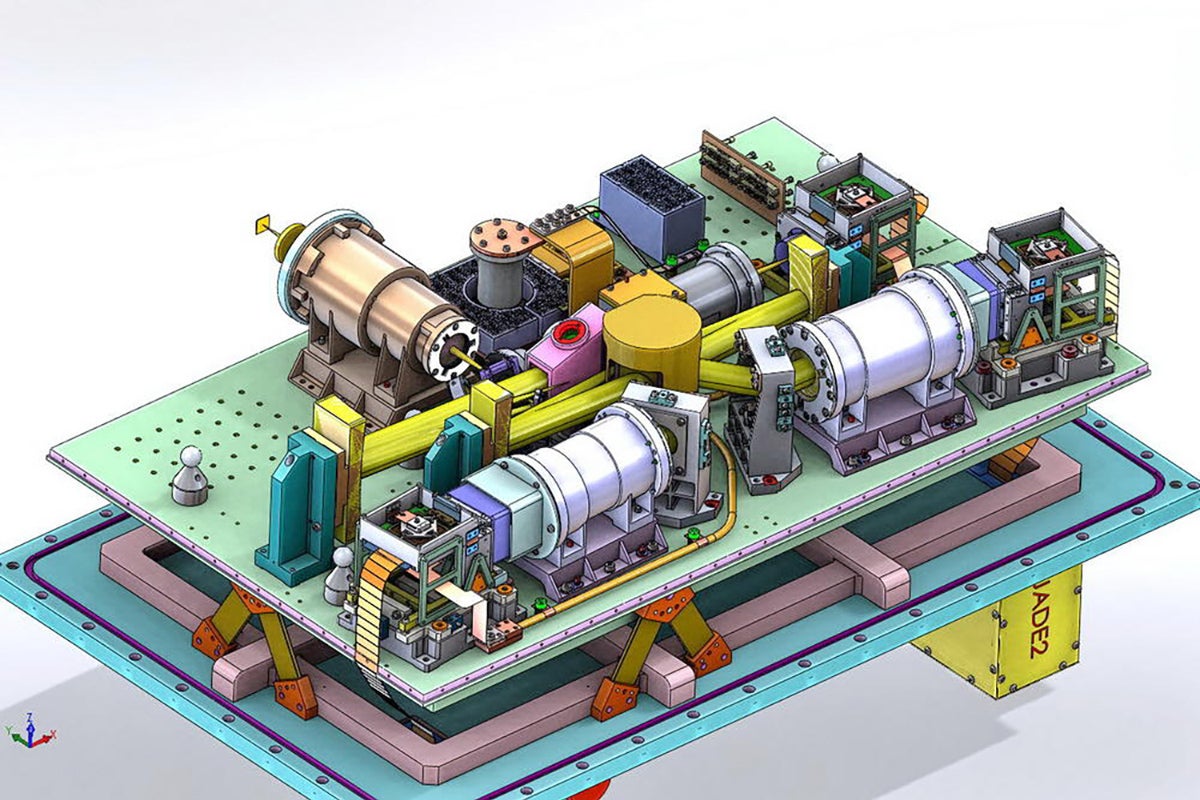
Pioneering Instrument Returns to McDonald Observatory
The Immersion Grating Infrared Spectrograph (IGRINS) splits infrared light into more individual wavelengths than a traditional spectrograph.
Frontier Fellows Tackle Humanity’s Biggest Question: Where Do We Come From?
The inaugural class of Cosmic Frontier Center postdoctoral fellows will study black holes in early galaxies and the formation of the first stars.
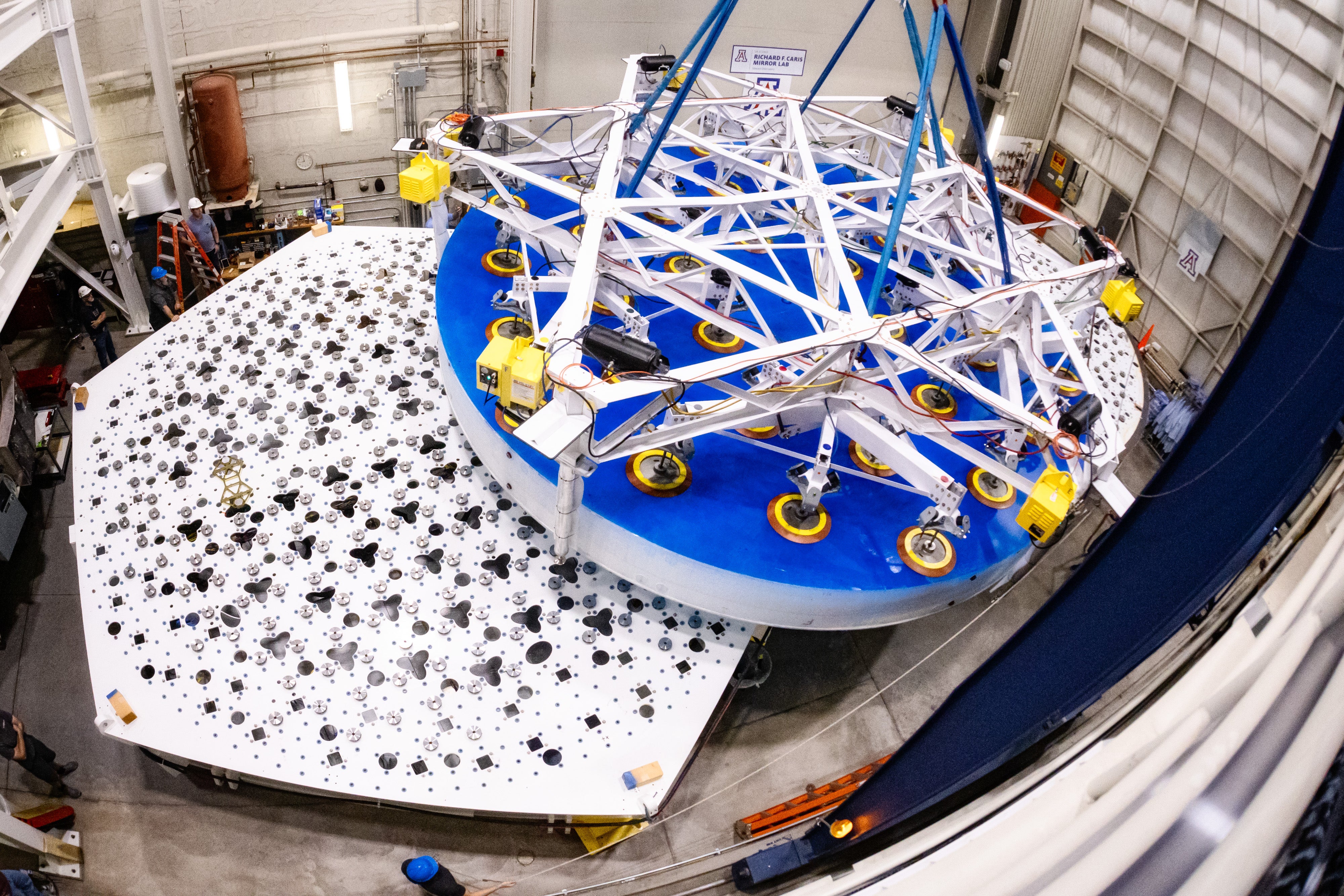
Giant Magellan Telescope Begins Primary Mirror Support System Testing
The milestone marks the start of a six-month optical testing phase at the University of Arizona.
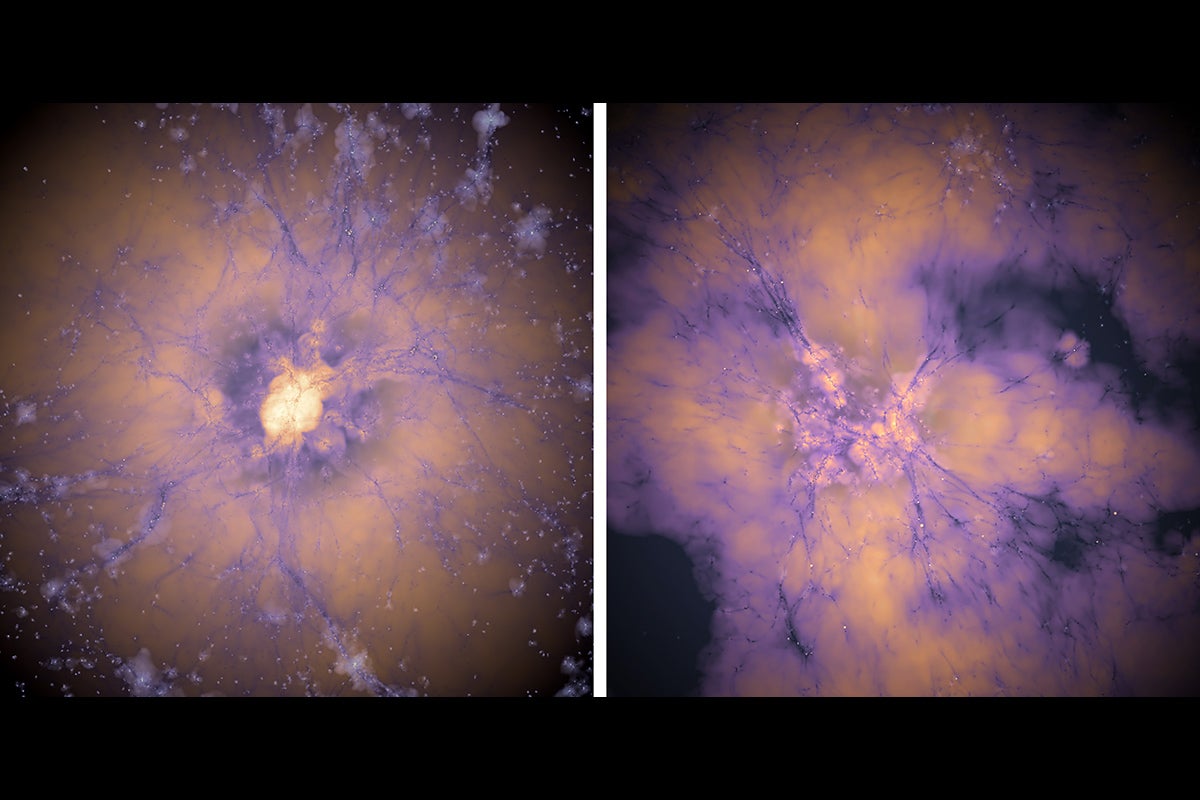
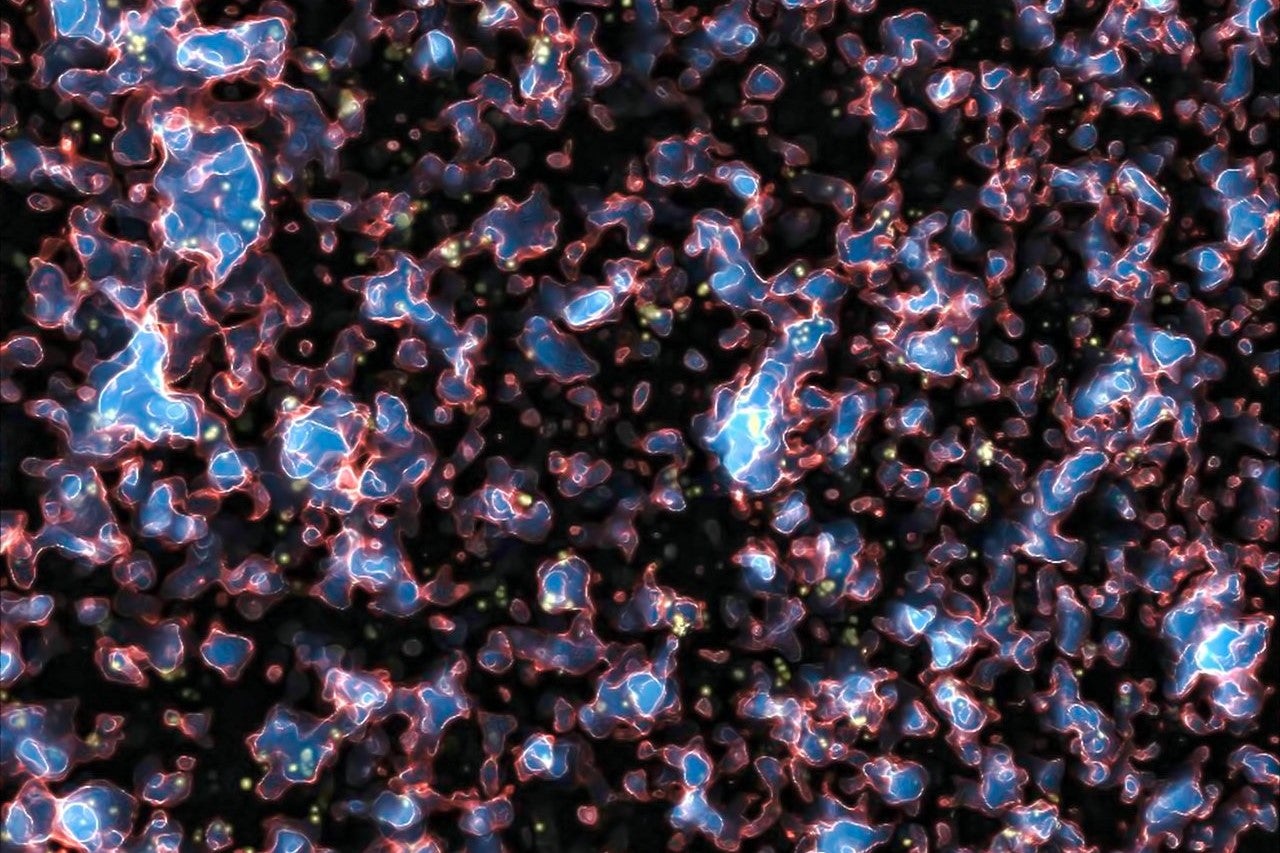
UT Astronomers Find JWST Data Conflicts with Reionization Models
Observations from the James Webb Space Telescope spawned a new tension around when a major change in the universe happened.
UT News
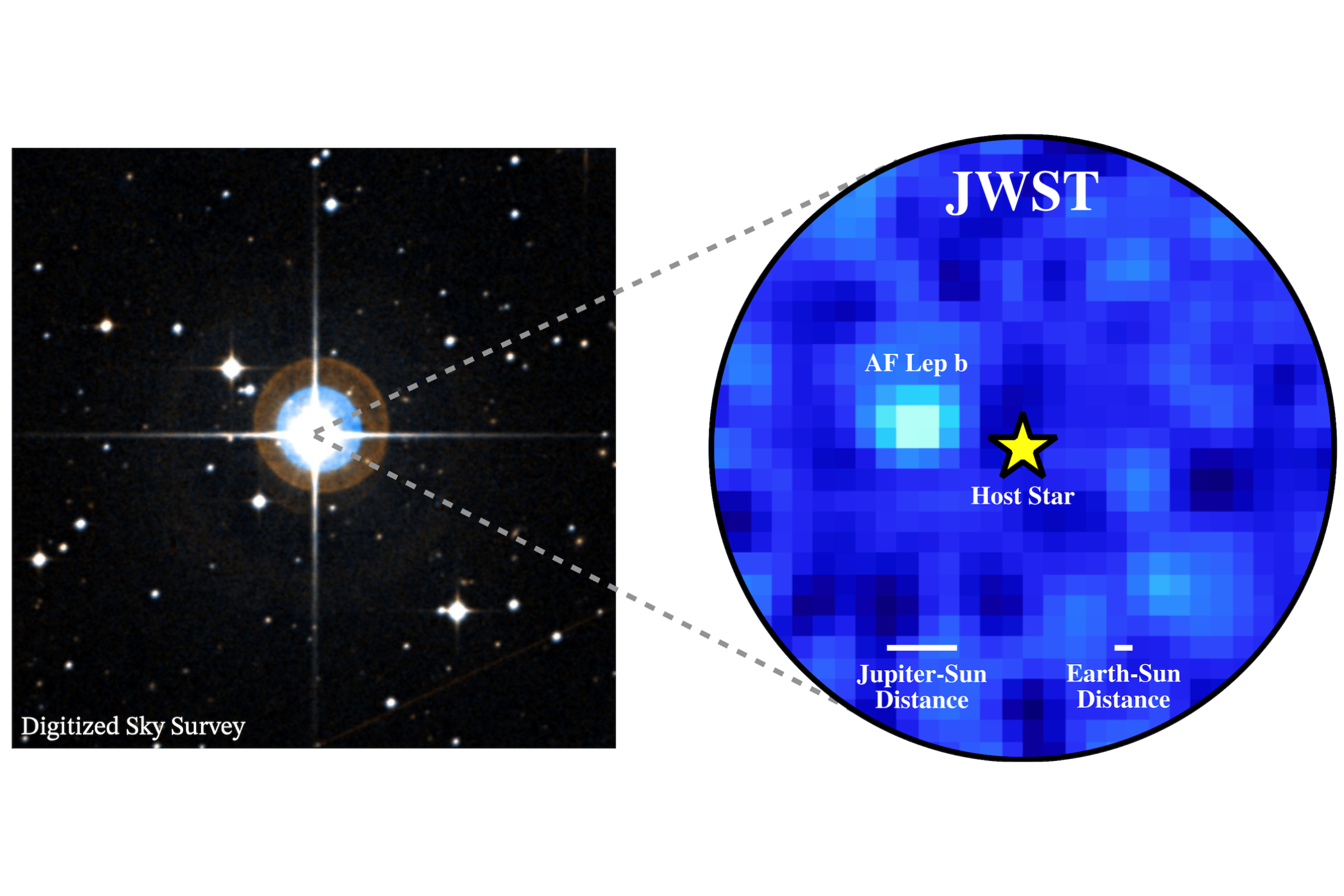
UT Astronomers Race To Capture Image of Exoplanet Near Star
Brendan Bowler was part of a team to help find the lowest-mass/closest-to-its-host-star distant planet ever found.
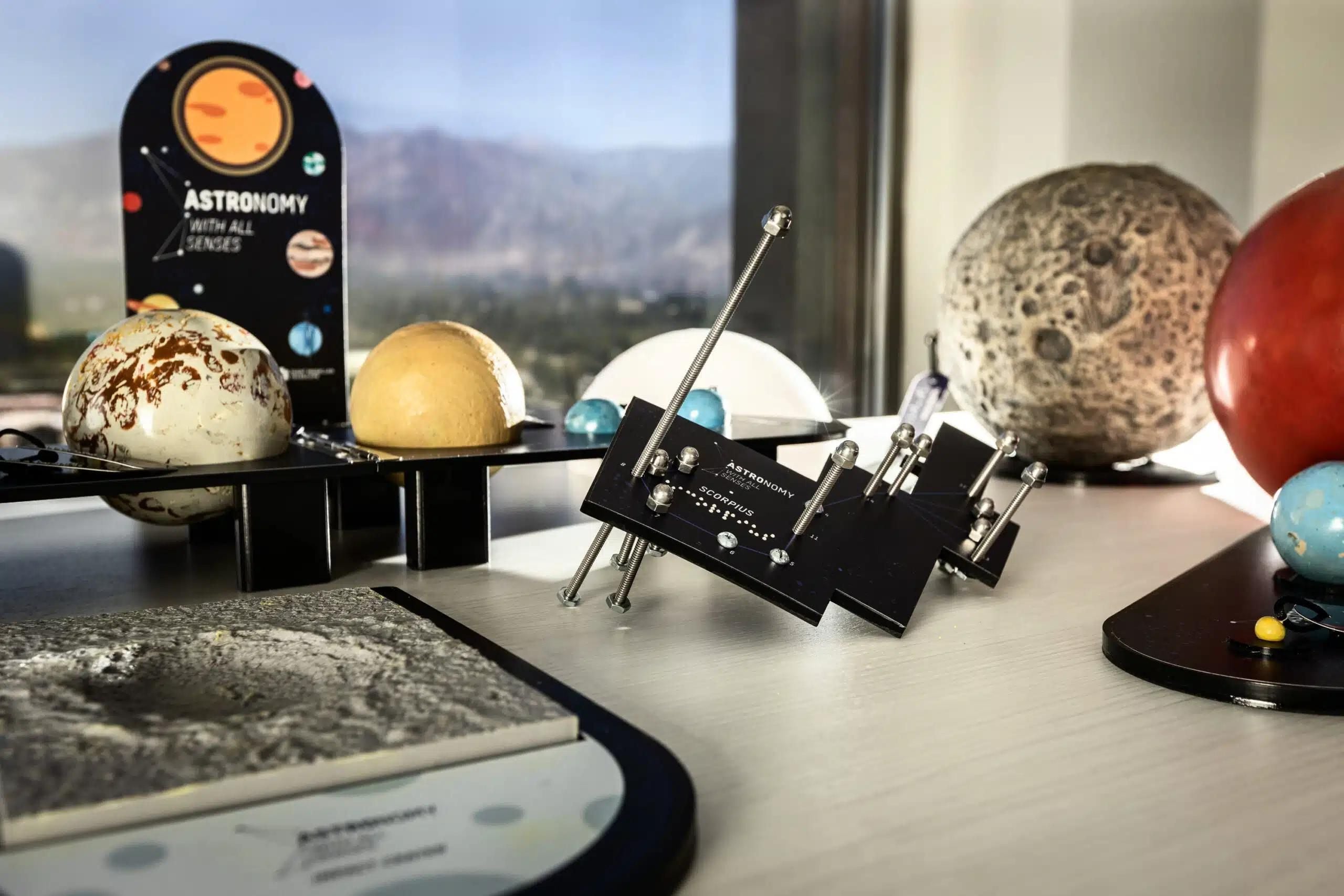
New Program to Enhance Accessibility in Astronomy Education
Universo Expansivo, a program of the Giant Magellan Telescope, will increase accessibility for students with vision loss through tactile astronomy kits and lesson plans.
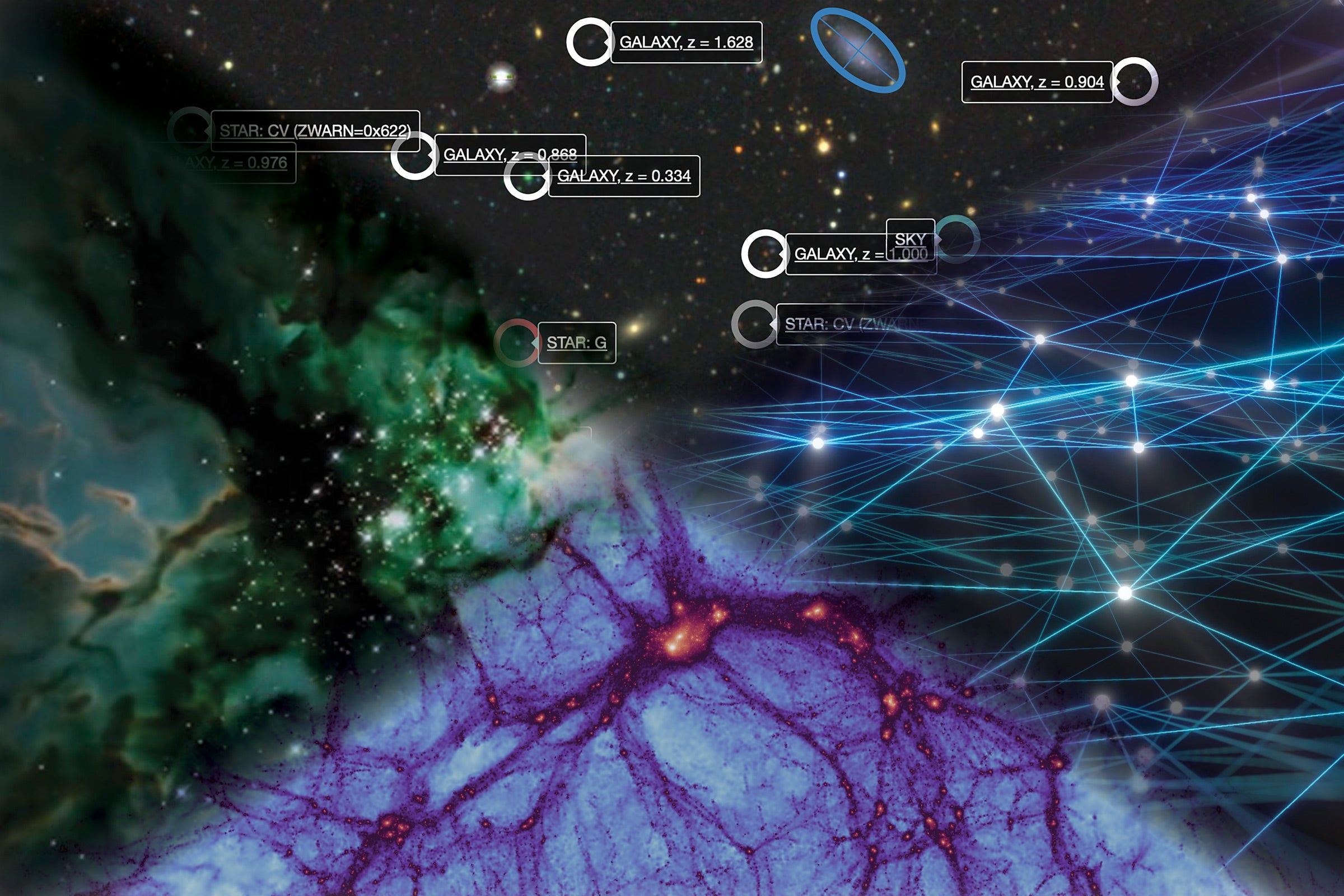
New AI Institute Led by UT Researchers Will Accelerate Cosmic Discovery
Stella Offner and Arya Farahi are among the leads of a new multi-institution institute focused on AI and astronomy.
McDonald Observatory
Early Dark Energy Could Resolve Cosmology’s Two Biggest Puzzles
Michael Boylan-Kolchin and others show “early dark energy” might help solve the Hubble Tension and explain why there are more early galaxies than expected.