News
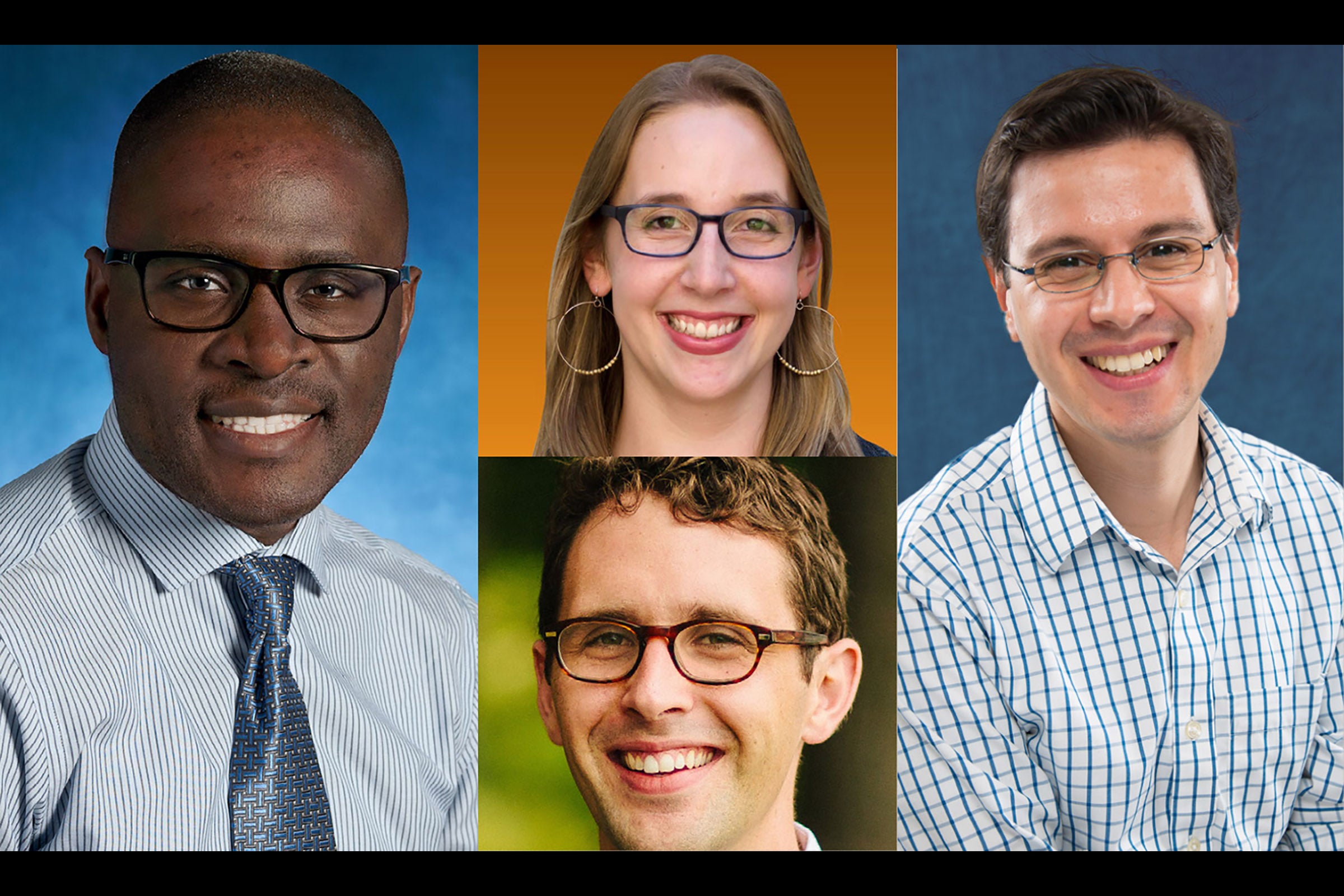
Astronomer Stella Offner Receives Delta Young Astronomer Lectureship Award
Each year, the award is given to one or two international scholars under the age of 45.
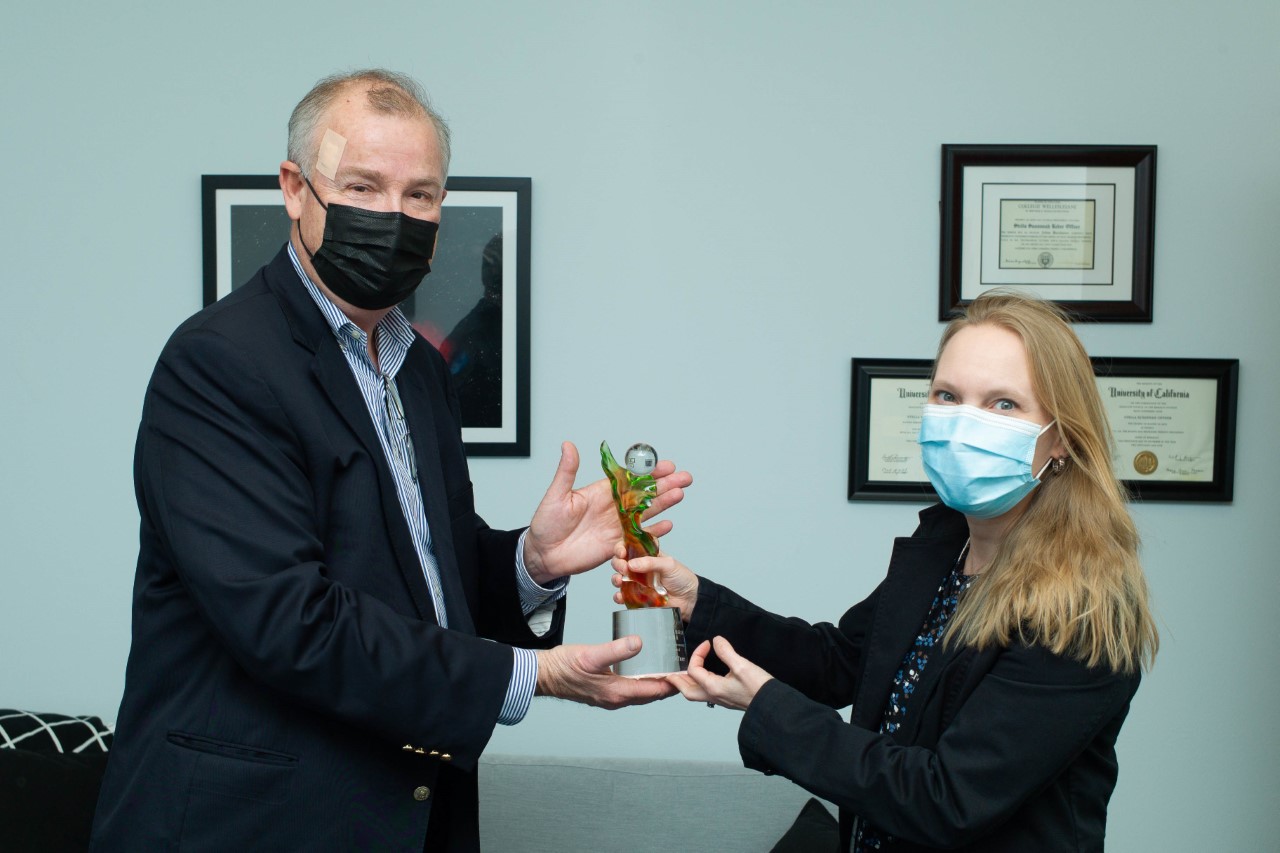
Astronomer Brendan Bowler Receives 2022 Sloan Research Fellowship
UT Austin assistant professor of astronomy, Brendan Bowler, has been selected as a 2022 Alfred P. Sloan Research Fellow in Physics for his work related to the formation, evolution, architectures and atmospheres of extrasolar planets.
UT News
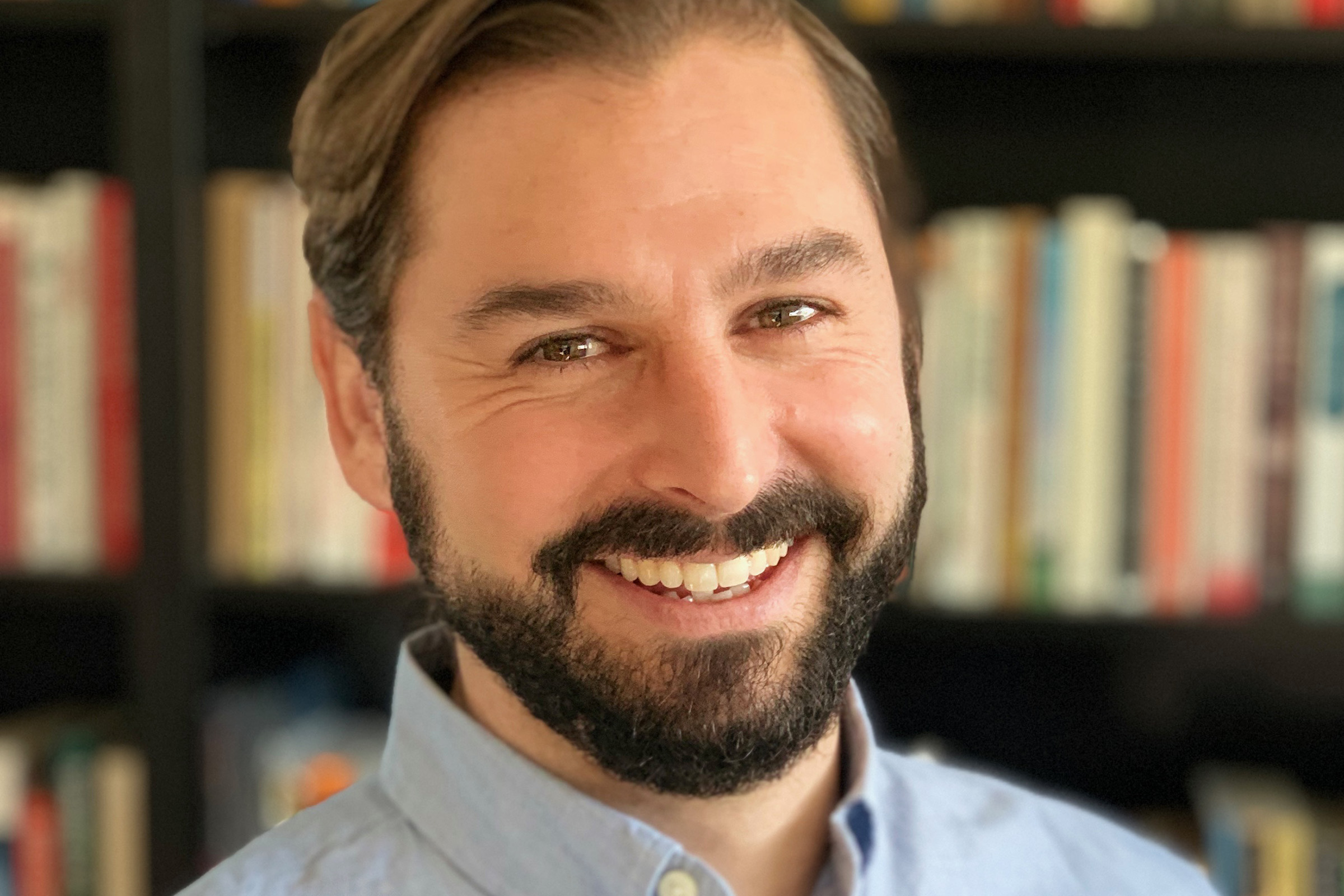
Texas Astronomers Discover Strangely Massive Black Hole in Milky Way Satellite Galaxy
UT astronomers María José Bustamante, Eva Noyola, Karl Gebhardt and Greg Zeimann, with colleagues from Germany’s Max Planck Institute for Extraterrestrial Physics, made the discovery.

Galaxies Pump Out Contaminated Exhausts
Galaxies pollute the environment they exist in, researchers have found.

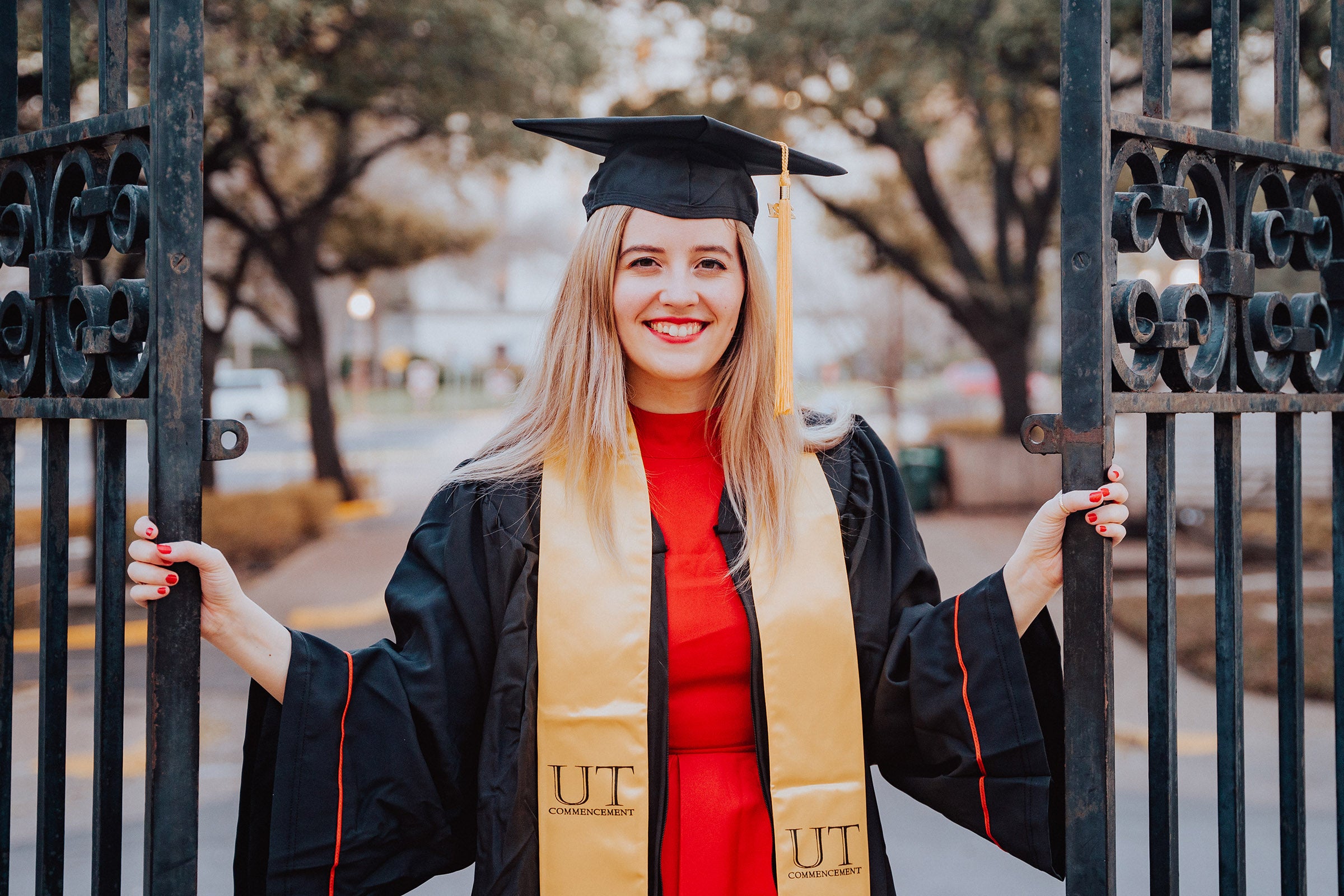
Graduating Senior Finds Passions in Exoplanets and Outreach
Zoe de Beurs wasn't sure what she wanted to do when she first arrived at UT Austin, but after graduating, she started a Ph.D. in Planetary Science at MIT.
Astronomers Disprove Planet Orbiting Nearby Barnard’s Star
An international team that included Michael Endl and Bill Cochran discovered what was thought to an exoplanet was not one.
UT News
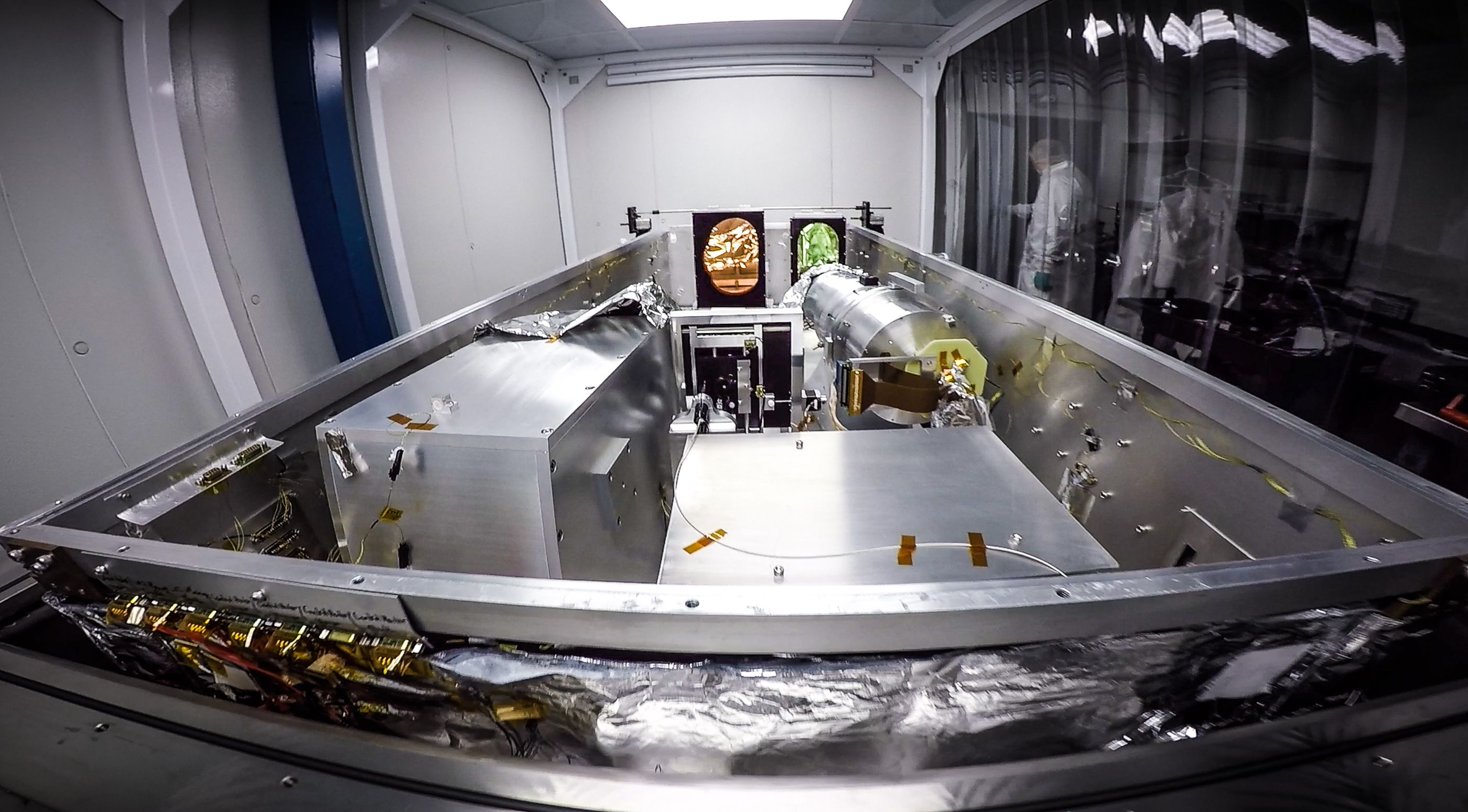
Exoplanet is Gobbling Up Gas and Dust as it Continues to Build Mass
The Hubble Space Telescope has allowed astronomers including Brendan Bowler from The University of Texas at Austin to get a rare look at a young, Jupiter-sized planet that is growing by feeding off material surrounding a young star 370 light-years from Earth.

Texas Astronomers Lead Major Projects in James Webb Space Telescope’s First Year
Astronomers at The University of Texas at Austin are set to lead some of the largest programs in the first year of NASA's James Webb Space Telescope (JWST).

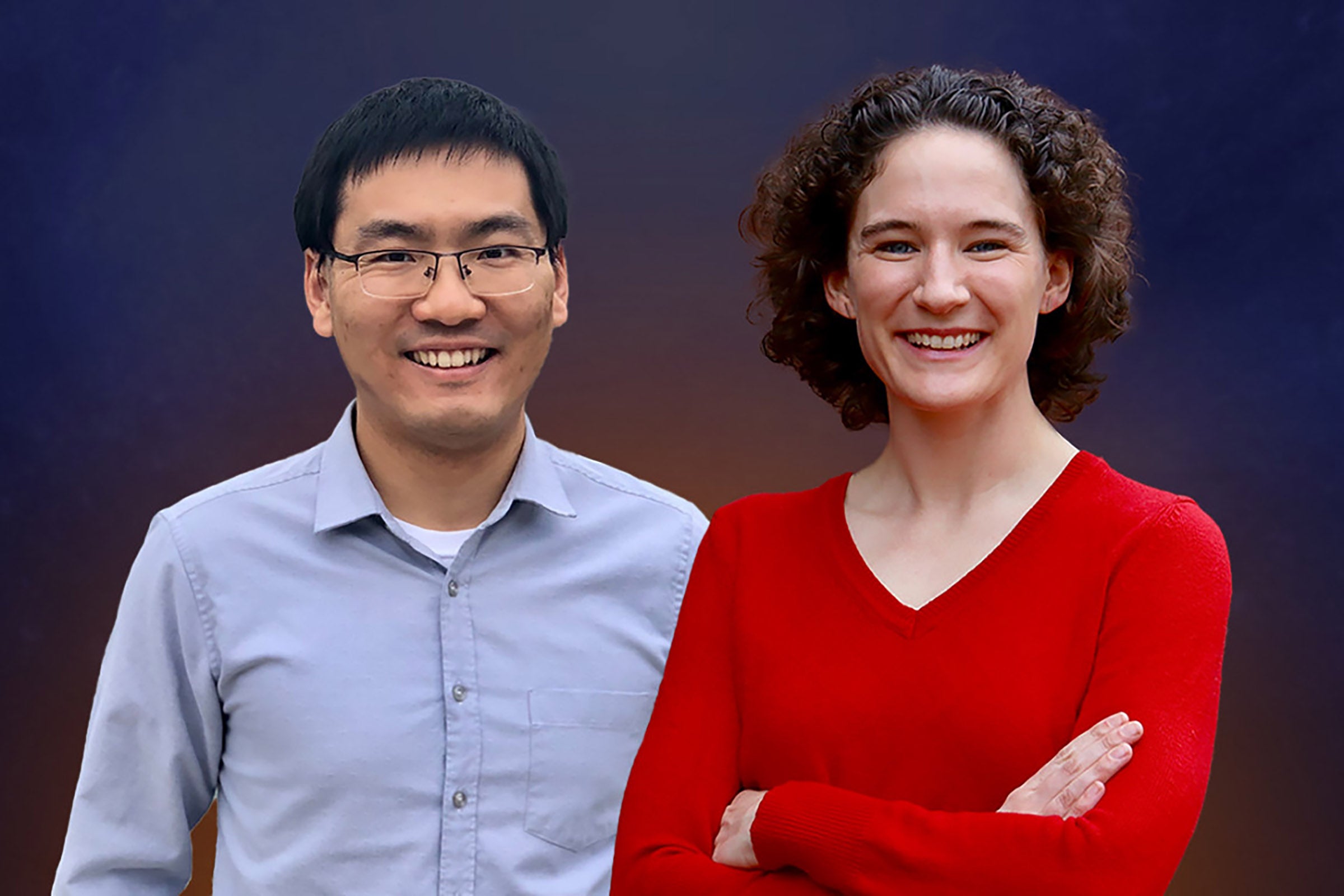
Two Postdocs Receive Fellowships to Study Extrasolar Planets
Brianna Lacy and Yifan Zhou have received a fellowship that will give them the support to conduct research on exoplanets.
Four Natural Sciences Faculty Receive Sloan Research Fellowships
Carlos Baiz, Caroline Morley, Andrew Potter and Urbain Weyemi are among the 128 scholars from across the country selected by the Alfred P. Sloan Foundation to receive the 2021 Sloan Research Fellowships.